
Since most of us only need to interact with electrical outlets and switches in our homes, we tend to forget about the fuses, transformers and wires that are installed just out of sight. Regular maintenance can reduce the severity and frequency of repairs, but homes still suffer from daily wear and tear. Here are some signs to look out for.
Hot Outlets
If a power outlet or light switch is discolored, warped, or giving off heat, unplug anything connected to it and call an electrician. Power outlets can also give off heat if you have too many appliances plugged into them. Since outlets are made to sustain a certain amount of energy use or “energy draw,” going over that limit can cause outlet damage or start an outright electrical fire.
Light switches and other switch covers shouldn’t give off any heat, but dimmer switches are made to work differently. Dimmer switches give off excess energy as heat dissipation, which is why they can feel warm during use. However, if one starts to feel hot, it’s time to turn it off and call an electrician.
Buzzing Outlets
Wall outlets should be quiet.
Appliances make different sounds while in use, but you shouldn’t hear any humming or buzzing coming from a light switch, power outlet, or power cord. Electricity produces a soft buzzing sound when current “skips” along the line and it usually happens when there’s damaged wiring in the wall, the socket, or the appliance plugged into it. Switch off the appropriate breaker and unplug everything from the affected socket as you wait for a qualified electrician to arrive.
Loose Outlets
A secure connection is when a power cord’s prongs plug into the outlet safely and sit without moving. If you feel like you can use the plug to easily move the internals of the outlet, that means the connection is loose. This is also true if a plug starts to fall out of the socket when no outside force is acting upon it. Loose outlets can ultimately shake the wires free, causing sparks, shorts, and potential fire hazards. The best course of action is to call a skilled electrician to repair any loose connections.
Tripped Wires
Circuit breakers trip a wire when they sense an unsafe electrical current. It can be caused by drawing too much electricity for too long, or from an instantly occurring event like an electrical short. The most frequent cause of a tripped breaker is an overloaded circuit. This is easily accomplished by a homeowner overusing a single outlet and plugging multiple active power strips into it or by running too many large appliances in the same room/circuit.
An Oklahoma heat wave can also trip the breaker due to your HVAC system’s increased workload. The air conditioner runs longer and with more effort, which draws more and more energy from the circuit. Breakers are built to be a reliable failsafe that can protect your home from damage, but they also serve as an indication of failure in the electrical system. It is always possible that an electrical short or fault in the line is what really tripped the breaker, which can be a very dangerous situation. The most responsible course of action in this case is to have a knowledgeable electrician perform maintenance and/or repairs.
Unwelcome House Guests
If you’ve had to call a pest control company for anything furry in your home, you may also consider calling an electrician! Rats and squirrels can chew through wires and mice will turn bits and pieces of your home into their home. All of these natural animal behaviors can damage your home’s electrical system. Acting quickly can prevent damaged wiring or components from causing any further issues.
GFCI or GFI Outlets
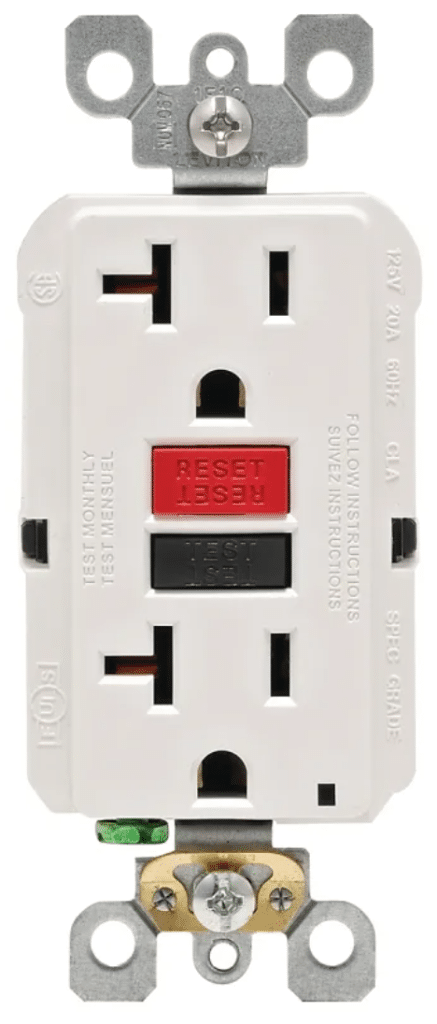
GFCI stands for Ground Fault Circuit Interrupter and GFI means the same, but they dropped the C. These outlets work a lot like circuit breakers because they shut off electricity when something goes wrong. They monitor other outlets downstream on the circuit and break the connection if any electricity begins escaping the system. This protects us from being electrocuted by faulty equipment and water conduction. As such, they are commonly installed near where water could end up on the outlet. You can find them in bathrooms, kitchens, the garage or several other places. It’s also common for them to activate when the homeowner is completely unaware of the danger. If you have one of these in your home and some of your outlets stop working, then you might just need to hit the RESET button. If it keeps tripping, it’s protecting you from a potentially dangerous situation and you should immediately call a qualified electrician.
Improperly Grounded Flexible Gas Lines
If you’ve taken the time to look at the gas pipes and lines set up in your home, you may have noticed a thick copper wire connecting one of them to the ground or another metal rod. It may look pointless, but it protects the gas from electrical surges. Avoid doing anything to alter that connection and be sure to contact an electrician if you see that it is damaged.
Burning Smells
An unknown burning smell is always cause for alarm, especially if the smell is coming from a power socket or some wiring. If left unattended, it can easily result in an electrical fire. The smart move is to immediately track down the source. It is possible for a wire to get too hot and melt the material around it. Frayed wires can cause electricity to arc and damage nearby objects. It’s even possible to have sparks literally shooting out of an outlet. As with many other electrical malfunctions, immediately switch off the corresponding breaker, unplug any cords from the socket, and call an electrician.
Damaged Wiring
The clearest indication of an electrical problem is being able to see exposed wiring. Wiring insulation can crack or fray due to bending, age, corrosion, and heat. It can become nicked, pinched, and pierced by screws or nails. Exposed, damaged, and frayed wires are all hazardous, regardless of the cause. Call an electrician to fix any faulty wiring before it can damage your home.
Rely on the Pros
With more than a century of cumulative wiring experience, our licensed and qualified electricians have the knowledge to address any electrical concern. Contact Integrated Electric for any electrical problem in your home.